

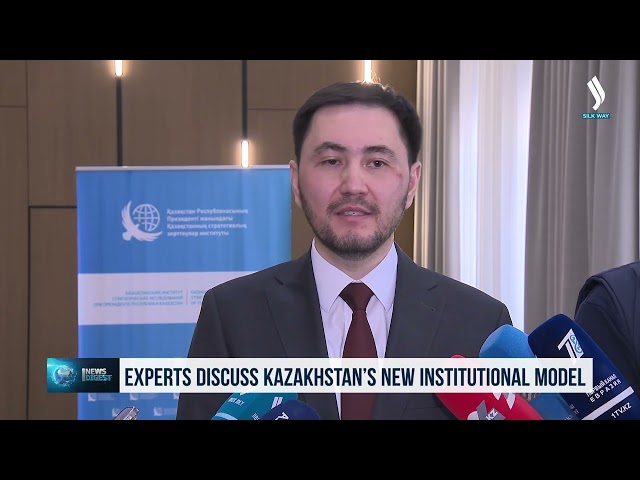
Kazakhstan’s new Constitution was discussed in Astana.
During an international roundtable, an analytical report was presented,
focusing on the key directions of the country’s political and institutional
transformation. The document combines assessments from Kazakh and international
experts and outlines the logic of the reforms, mechanisms for protecting
citizens’ rights, and prospects for the state’s further development. Particular
attention is given to changes in the institutional architecture and the role of
new institutions in shaping the modern political system.
«We will see how this
report is received by the international community, our partners, and experts.
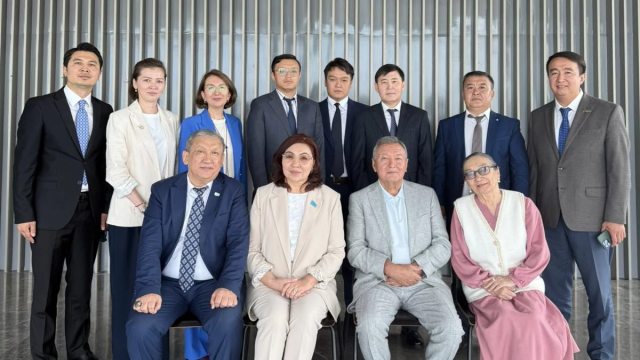
Present at the discussion are not only the authors of the report, but also a
number of experts joining from other countries, including the U.S., the European Union, Asian countries, and neighboring states. Our
colleagues from the Kyrgyz Republic and Uzbekistan will also
be participating today. Importantly, the team of authors of this report
includes not only staff from our institute, but also representatives from other
international institutions,» said Zhandos Shaimardanov, Director of the
Kazakhstan Institute for Strategic Studies under the President of Kazakhstan.
International analysts believe that the transformation of the Constitution is also linked to the demands of a new generation of Kazakh citizens, who have grown up in an independent and digital era. In this context, the updated Basic Law is seen not only as a legal document but also as a reflection of society’s demand for a more effective and transparent state. Particular emphasis is placed on being people-centered - strengthening guarantees of citizens’ rights and freedoms, as well as establishing an effective system of interaction between the state and society.
«You have a very young
population. I understand that the median age in Kazakhstan is around 30-32. That means that half of the people were born
after 1995, after the current Constitution was passed. So, I think it was
needed to have an upgrade for the current generation, for the coming
generations, to be able to thrive. The new constitution, I see it as a new
social contract in which citizens know more clearly what to expect from the
state and the state and vice versa,» said Alberto Turkstra,
Project Director at Diplomatic World, Belgium.

Related Articles