



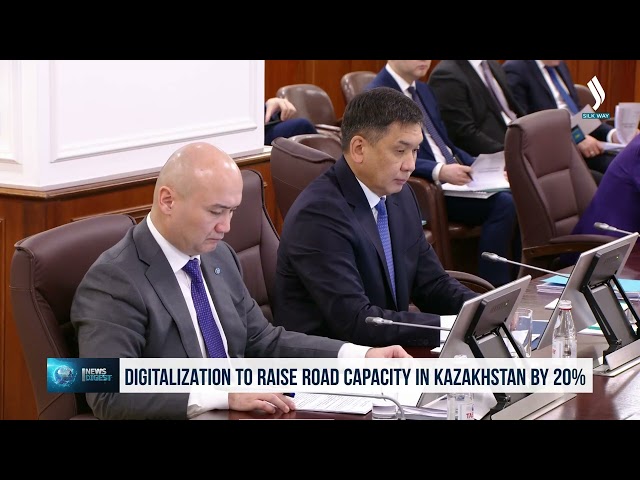
Digitalization is becoming a key driver of growth in Kazakhstan’s transport sector. Over the past 10 months, the volume of transport services has increased by more than 20%, while transit shipments exceeded 29 million tonnes, according to government data. The Ministry of Transport notes that the rapid introduction of electronic platforms in aviation and railways is speeding up cargo processing and increasing transparency. For instance, the aviation sector has transitioned to the e-Freight standard, which accelerates cargo handling and helps fully automate import and export procedures. The railway sector is implementing the Digital Trade Corridor, developing a single-window declaration system, while Wabtec technologies allow for remote monitoring of rolling stock, reducing diagnostic time. In October, the Smart Cargo platform was launched, offering integrated government services, single-window cargo tracking, and an AI assistant for customs clearance. On the country’s highways, digital passports, electronic permits, and digital consignment notes are being rolled out, helping speed up and simplify border crossings. Overall, Kazakhstan’s road carriers now operate with 42 countries, where the efficiency of digital services directly affects logistics speed and sustainability.
«Last year, the exchange of foreign permit forms with
China and Uzbekistan moved to an electronic format. The digital transformation
of industries will increase road throughput by 20%. Vehicle processing at
checkpoints will take about 10 minutes. The use of artificial intelligence will
reduce the time needed to form and schedule trains sixfold. Cargo
handling at airports will be cut to one hour,» said Kazakh Minister of
Transport Nurlan Sauranbayev.

Related Articles