

The year 2025 has been one of active diplomacy for
Kazakhstan, strengthening the country’s position in international relations. On
the global stage, Kazakhstan is regarded as a stable and reliable partner, with
countries seeking to expand cooperation. At the same time, Kazakhstan continues
to pursue a multi-vector foreign policy. In 2025, President Kassym-Jomart
Tokayev made 23 foreign visits, including two state visits – to Russia and
Uzbekistan. The geography of these trips covered Kazakhstan’s key partners
across Asia, Europe, and the Middle East. Among them were China, Russia, the
U.S., the UAE, Jordan, Türkiye, Japan, Hungary, Uzbekistan, Azerbaijan,
Tajikistan, and the Kyrgyz Republic. The main topics of discussions and
meetings with foreign leaders were strengthening trade and economic ties,
transport and logistics cooperation, and investment partnerships. As a result
of these international engagements, commercial agreements worth more than $70
billion were signed.
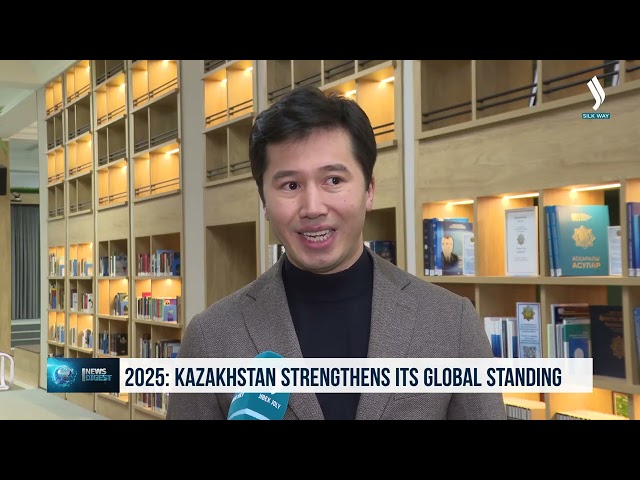
«I think this
outgoing year has been wholly productive, especially given the fact how
difficult and challenging the international environment has been. In this
regard, Kazakhstan’s main achievement, I would say, was its ability to maintain
balanced relations with different key players. Kazakhstan has always
prioritized stability, diplomacy, and practical cooperation,» said MNU professor Bakyt
Tolegenov.
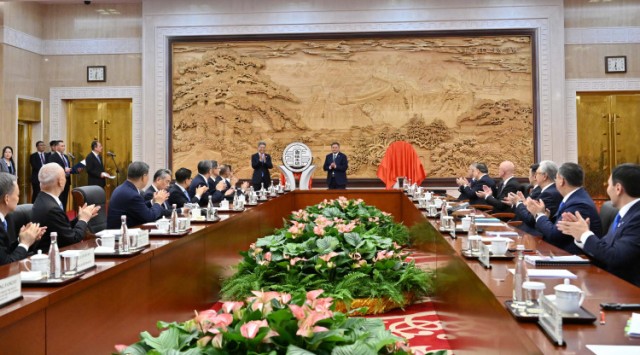
This autumn was also eventful. President Tokayev made
visits to three global capitals, Beijing, Washington, and Moscow, and held
meetings with world leaders. This year, the Head of State participated in the
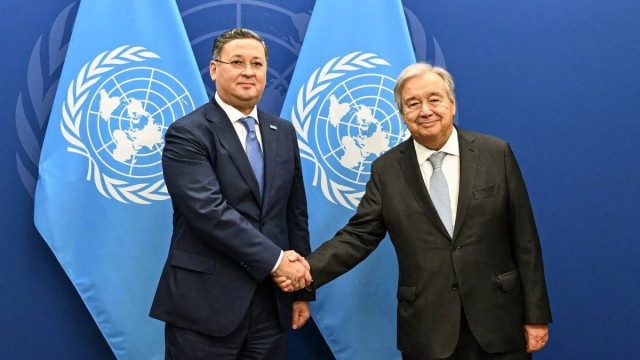
SCO and OTS summits, as well as in the 80th session of the UN General Assembly.
The C5+ format proved particularly relevant in 2025. Amid global geopolitical
instability, the region has become strategically important and opens up new
opportunities. Astana hosted two of the six Central Asia Plus summits this
year.
«A summit with the European Union was held, which is
also one of Kazakhstan’s major investors and main trading partners. This
development demonstrates that Kazakhstan and Central Asia as a whole are
becoming full-fledged actors capable of setting their own trends. Naturally,
this will primarily increase the country’s political influence in foreign
policy. It also indicates that Kazakhstan is emerging as a regional hub for the
entire Central Asian region, including Afghanistan and neighboring countries,» noted Zhadyra Assetkyzy, Senior Expert of the Asian
Studies Department, Kazakhstan Institute of Strategic Studies.
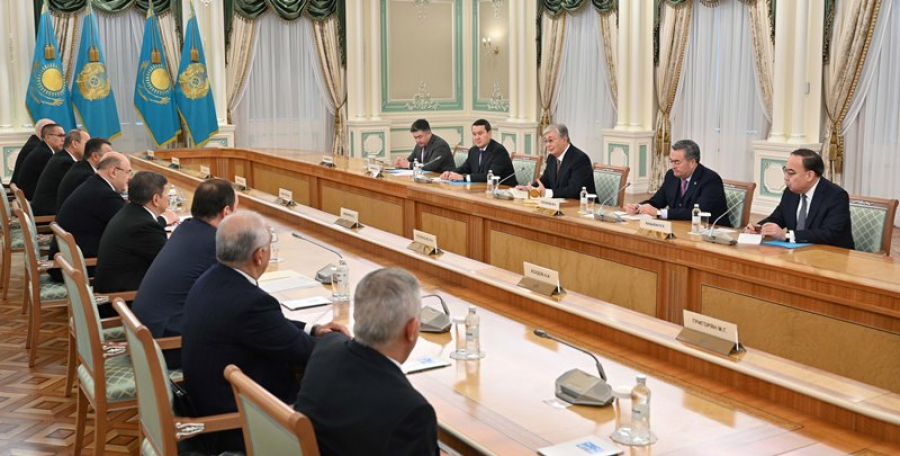
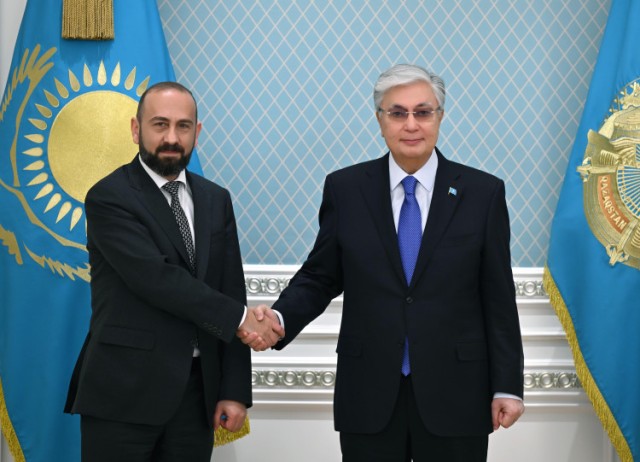
Throughout the year, Kazakhstan hosted 30 visits from heads of foreign states. Global actors recognize Kazakhstan as a leader and major partner in Central Asia, as well as a middle power—a country with which effective dialogue can be established and trade and economic cooperation further strengthened.
Experts say the year 2026 is expected to be just as
productive. Kazakhstan intends to continue dialogue and long-term partnerships
with both its close neighbors and other countries.

Related Articles